
Why Does The Mount Everest Region Have A Higher Rate Of Altitude Sickness?

By jollyhimalaya 2025-08-08
- jollyhimalaya
The Mount Everest region has a higher rate of altitude sickness than other tourist destinations because of the high altitude, rapid ascent, sleeping each night at a higher altitude than the previous day, and limited oxygen levels. Here is a breakdown of the main reasons:
1. High altitudes reached quickly
Many treks (such as the Everest Base Camp trek) climb rapidly above 3,000 meters, where the risk of altitude sickness increases significantly.
- The usual starting point, Lukla, is already at 2,860 meters, and trekkers reach over 5,000 meters within a few days.
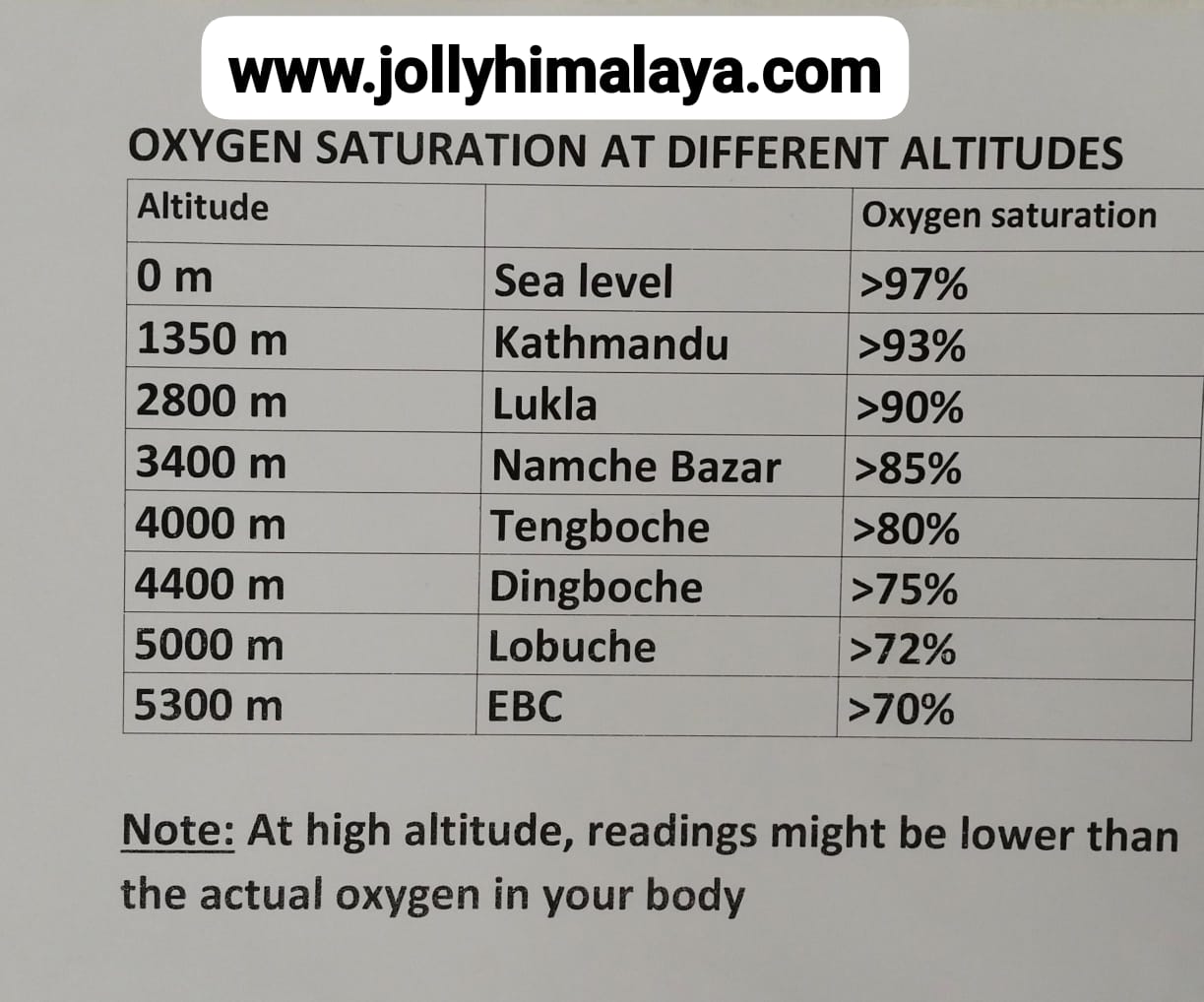
2. Low oxygen levels
At high altitudes, the air pressure decreases, which means less oxygen is available with each breath.
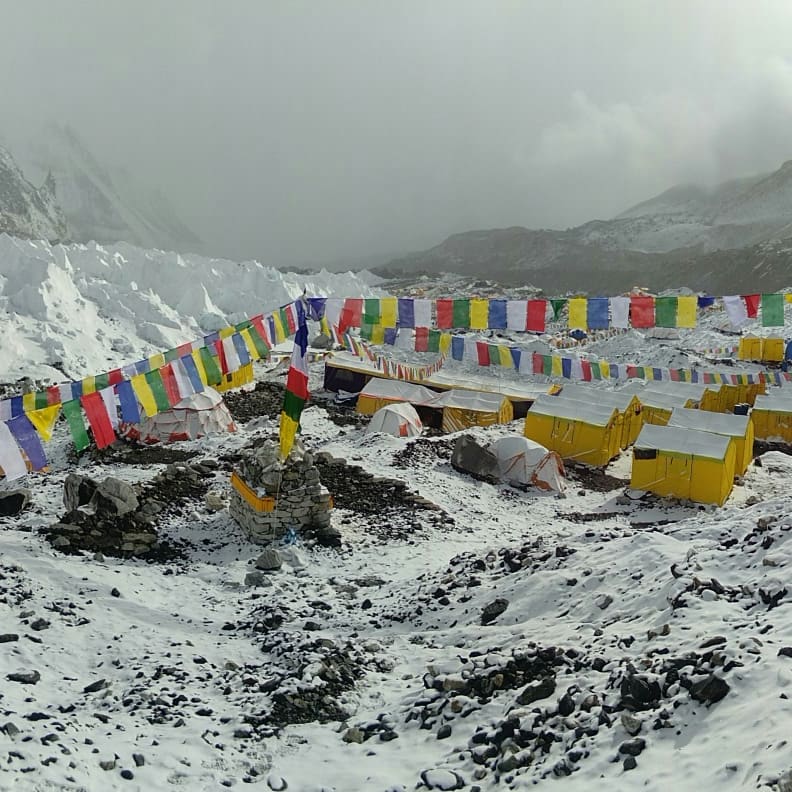
- Example: At Everest Base Camp (~5,364 meters), about 50% of the oxygen is available at sea level.

3. Popular and crowded treks
- The Sagarmatha region sees thousands of trekkers annually, many of whom are inexperienced or poorly prepared for high altitudes.
- People often underestimate the effects of altitude, skip acclimatization days, or push too hard, increasing the risk.
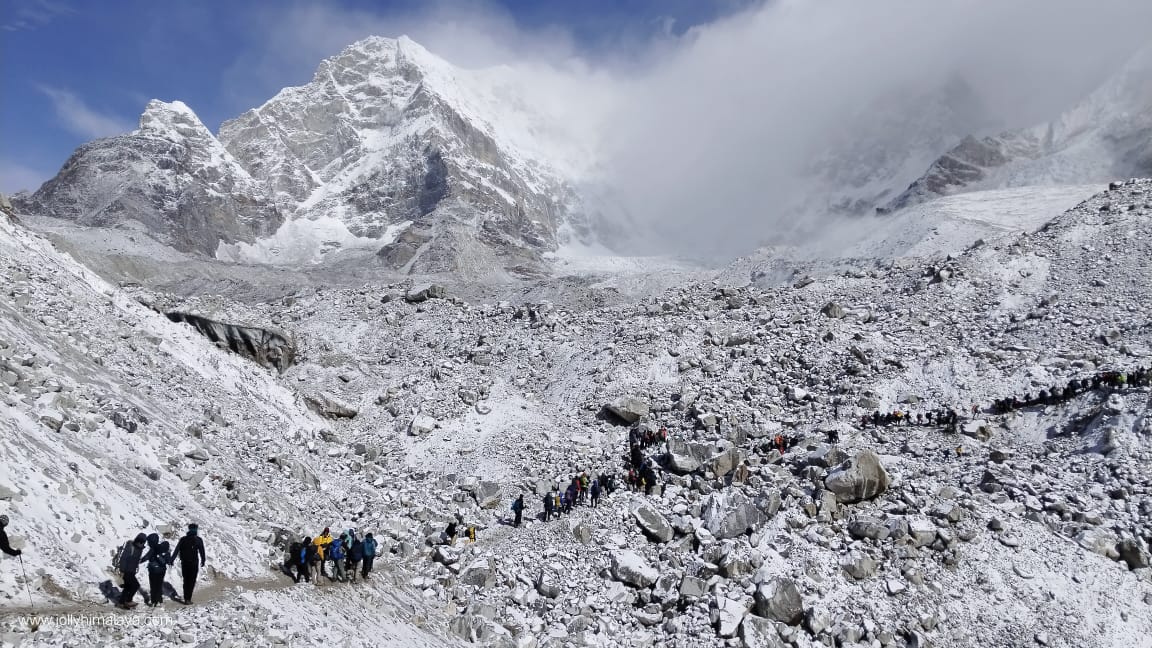
4. Cold weather and physical stress
- Harsh weather and cold temperatures add to physical stress, making the body more susceptible to altitude-related problems.
- Continuous uphill trekking depletes energy reserves, which affects proper acclimatization.
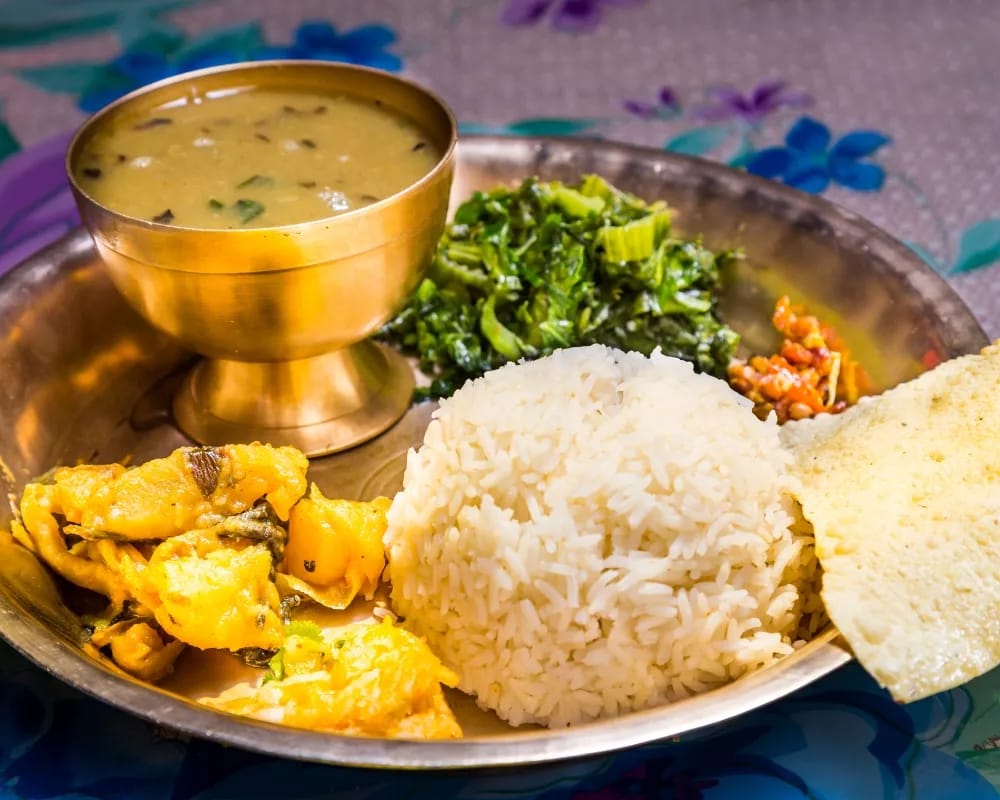
5. Food intolerance and loss of appetite:
- Due to the high altitude climate, food can be tasteless and tasteless due to fatigue. This problem is particularly common among tourists of Indian origin, who do not have suitable menus or are not given spicy food.
6. Limited immediate medical care
- In remote high-altitude areas, medical infrastructure is limited. Delays in treatment or descent can worsen symptoms of altitude sickness.
7. Psychological pressure to reach Everest base camp
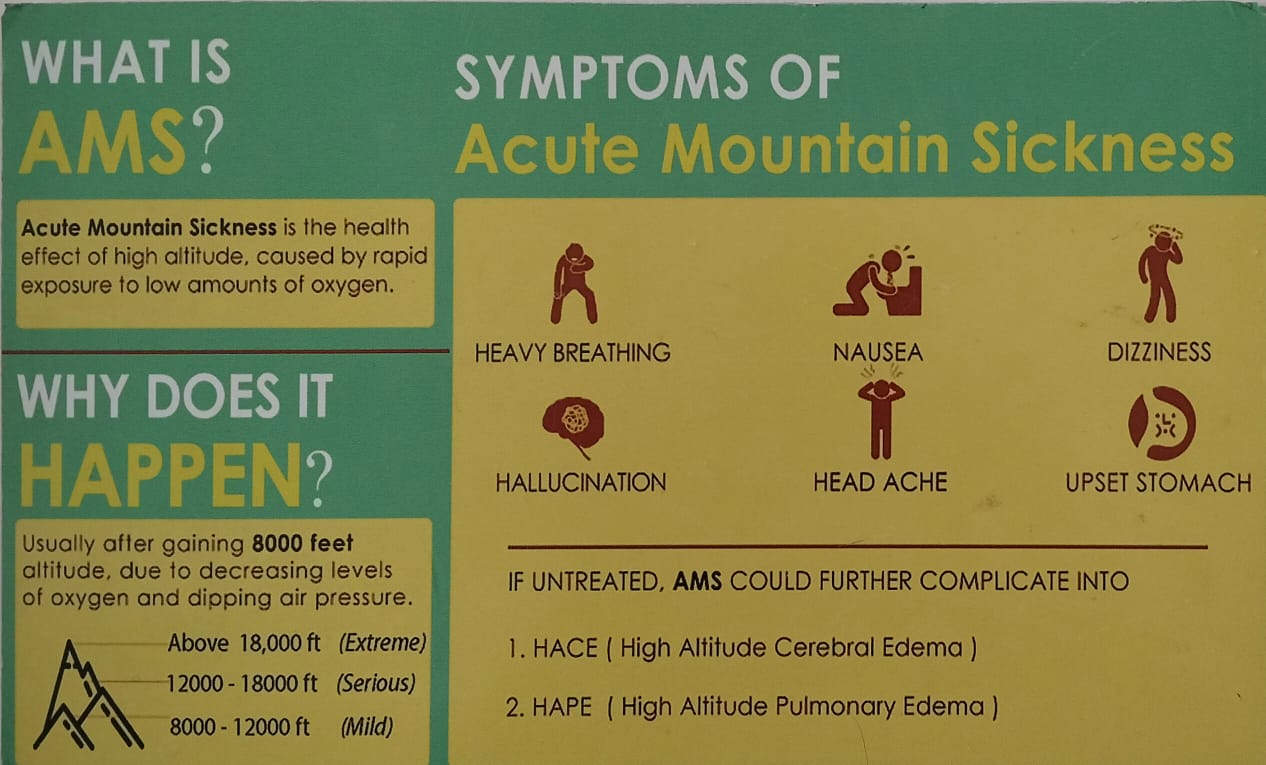
- Hikers may ignore early symptoms of AMS (acute mountain sickness) due to their intense desire to reach their destination, which often leads to more severe forms such as HAPE or HACE.
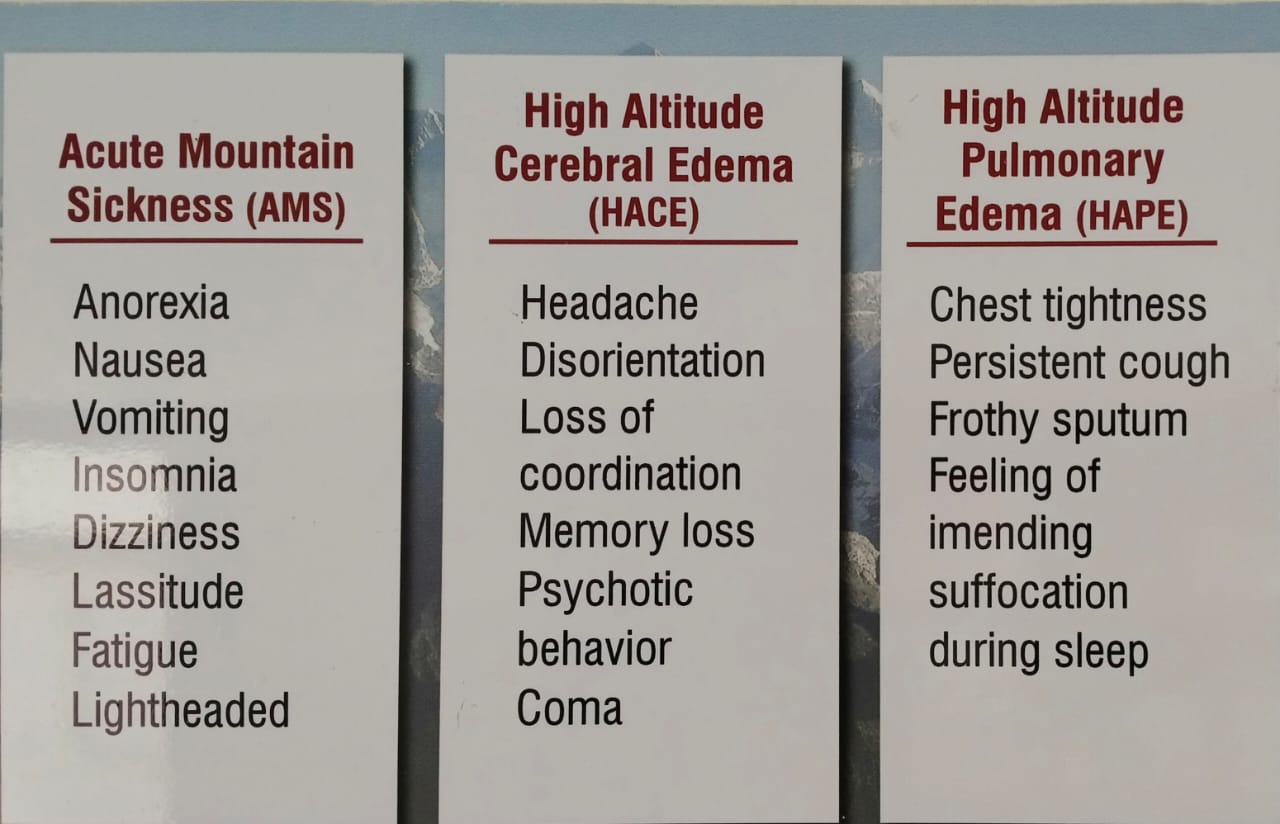
Conclusion:
The combination of high altitude, rapid ascent, inexperienced hikers, and harsh environments makes the Everest region particularly vulnerable to altitude sickness. Proper acclimatization, awareness, and pace are crucial for safe travel in this area.
Recent From Blog


.jpg)