
Villages Along The Everest Base Camp Trek
By jollyhimalaya 2025-08-11
- jollyhimalaya
The Everest Base Camp (EBC) trek is more than just a walk to the base of the world’s highest mountain. It’s a journey through the heart of the Sherpa homeland, with every village offering a unique mix of scenery, culture, and hospitality. Along the way, you’ll stop not just for overnight stays, but also for memorable lunch breaks in charming hamlets.
Lukla (2,860 m)
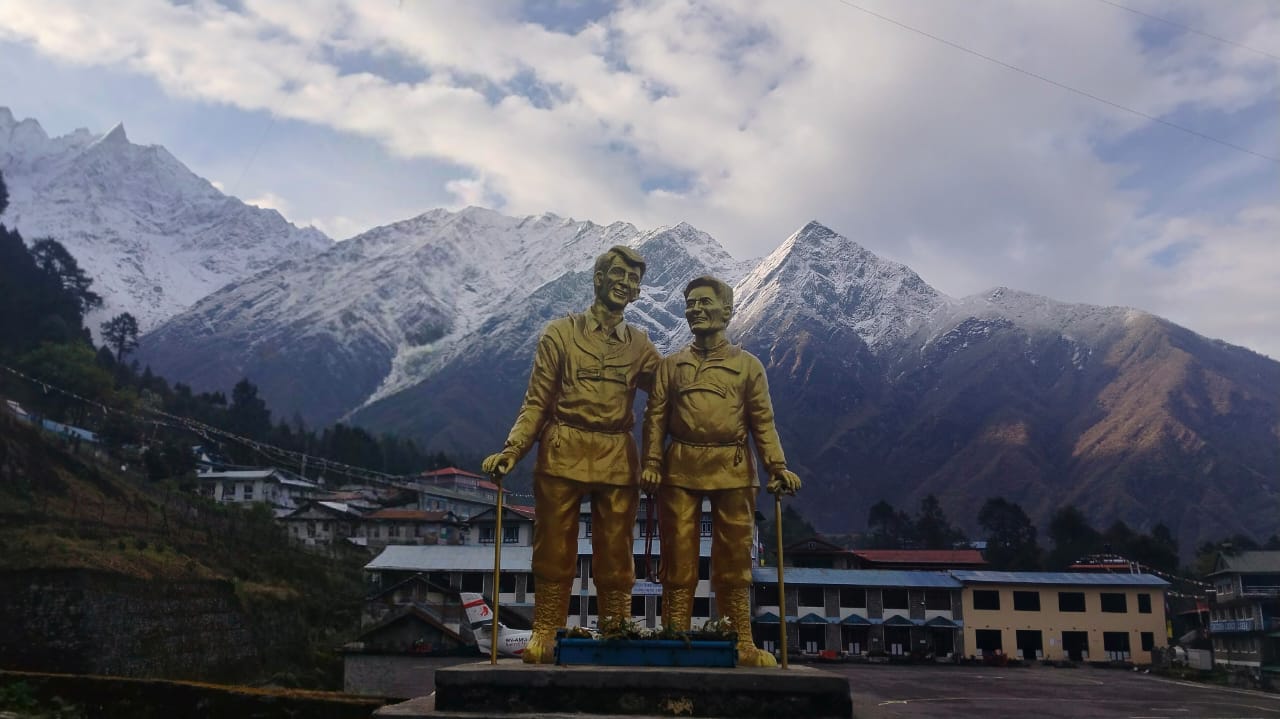
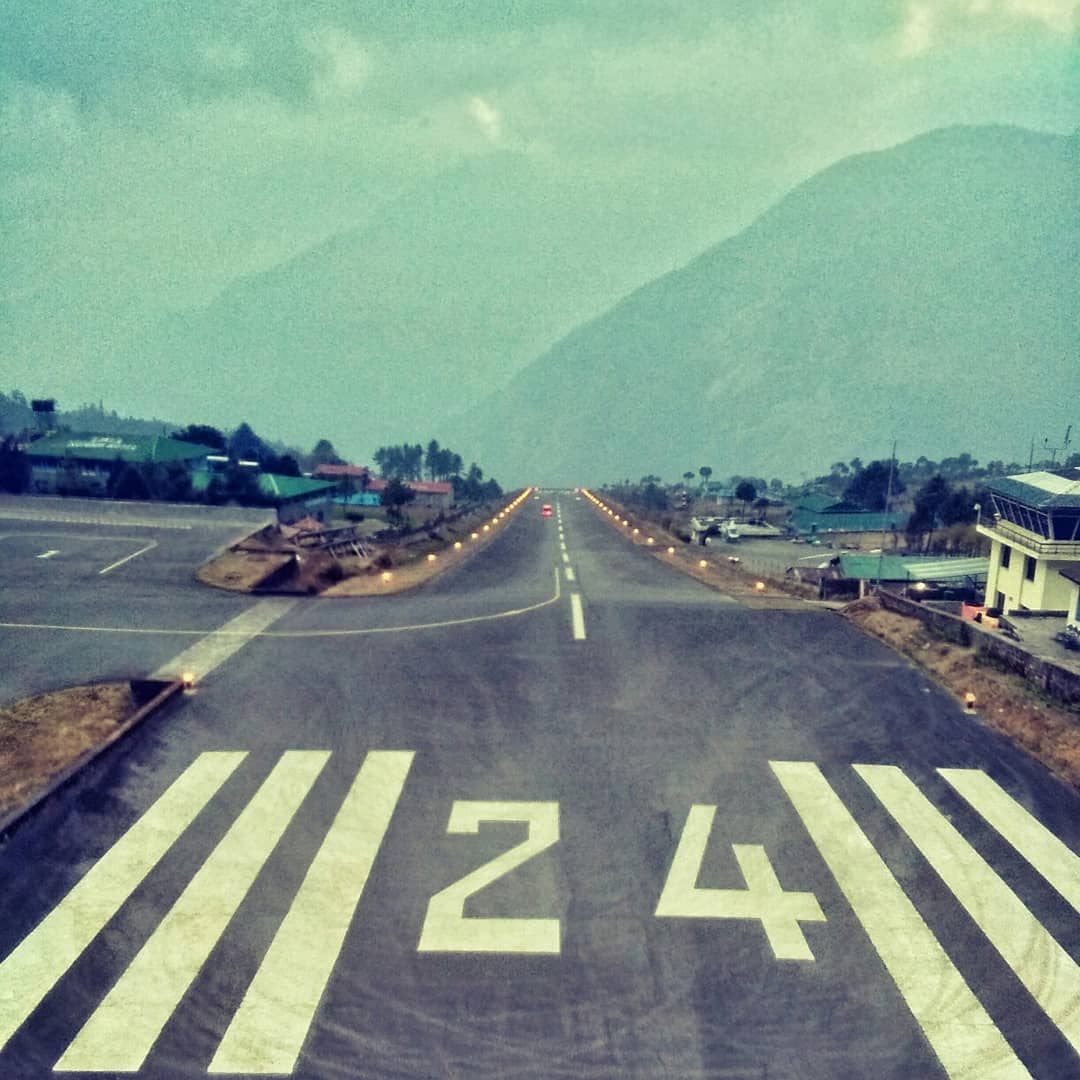
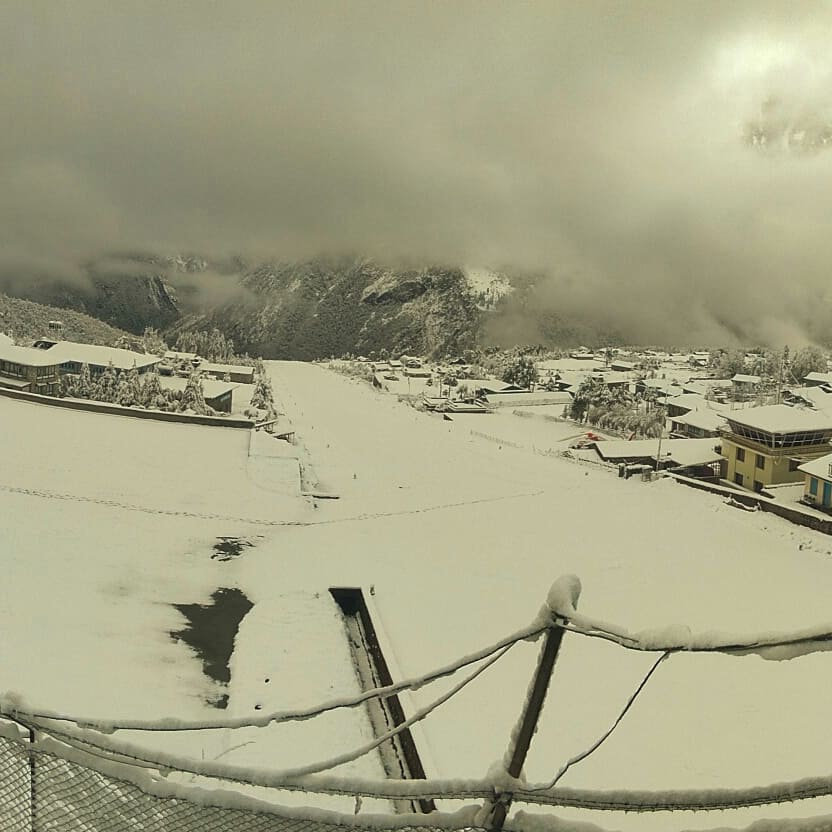
Your adventure begins in Lukla, home to the famous Tenzing-Hillary Airport. This bustling gateway has teahouses, gear shops, and bakeries where trekkers gear up for the days ahead.
Phakding (2,610 m) – First overnight stop
A gentle descent from Lukla leads to Phakding, set along the Dudh Koshi River. Surrounded by pine forests and suspension bridges, it’s a calm introduction to trekking in the Khumbu.
- Popular lunch stops before Phakding: Thadokoshi or Chheplung.
Monjo (2,835 m) & Jorsalle (2,740 m) – Gateway to Sagarmatha National Park
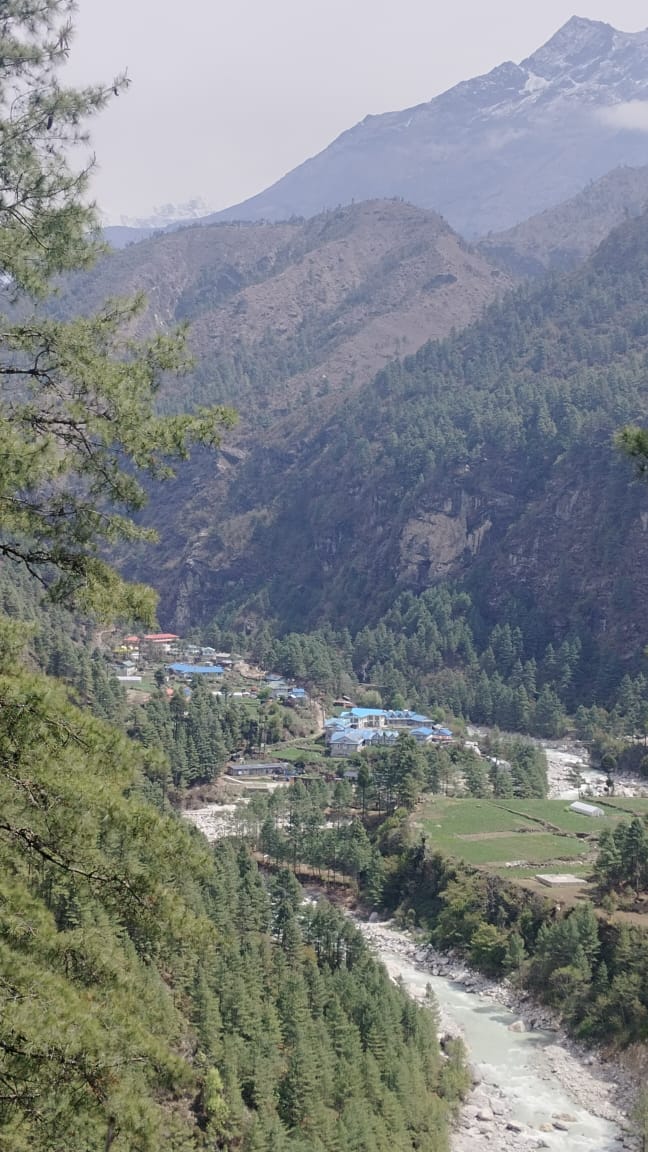
These villages sit just before the climb to Namche. Monjo has the park entrance checkpoint, while Jorsalle is often the last place trekkers have lunch before tackling the steep uphill to Namche.
Namche Bazaar (3,440 m) – Sherpa capital
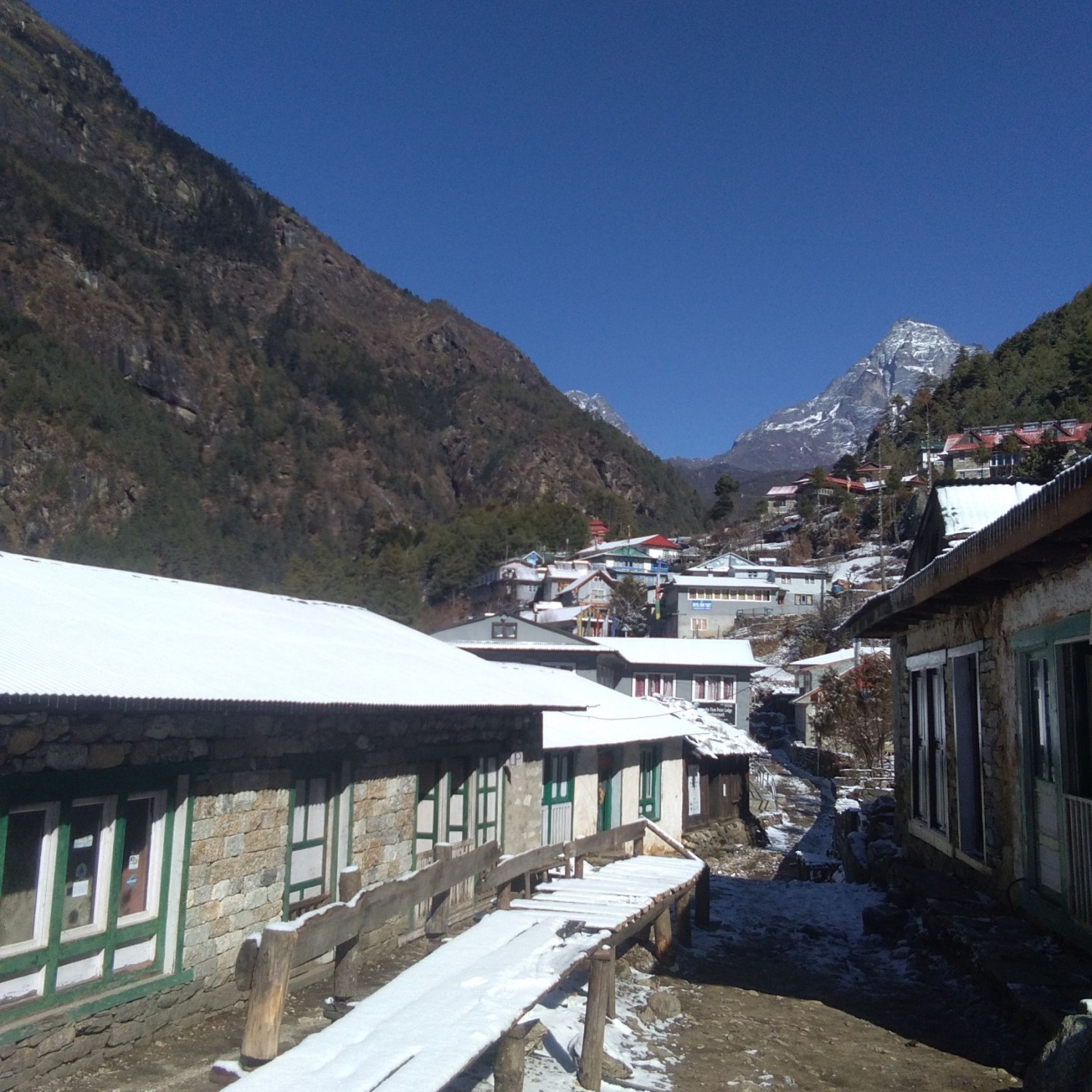
Namche is the largest settlement in the region, with markets, coffee shops, and stunning views. Many trekkers spend two nights here to acclimatize.
- Side trip during acclimatization: Khumjung (3,780 m), a historic Sherpa village known for its monastery housing a “yeti scalp” and the Sir Edmund Hillary School.
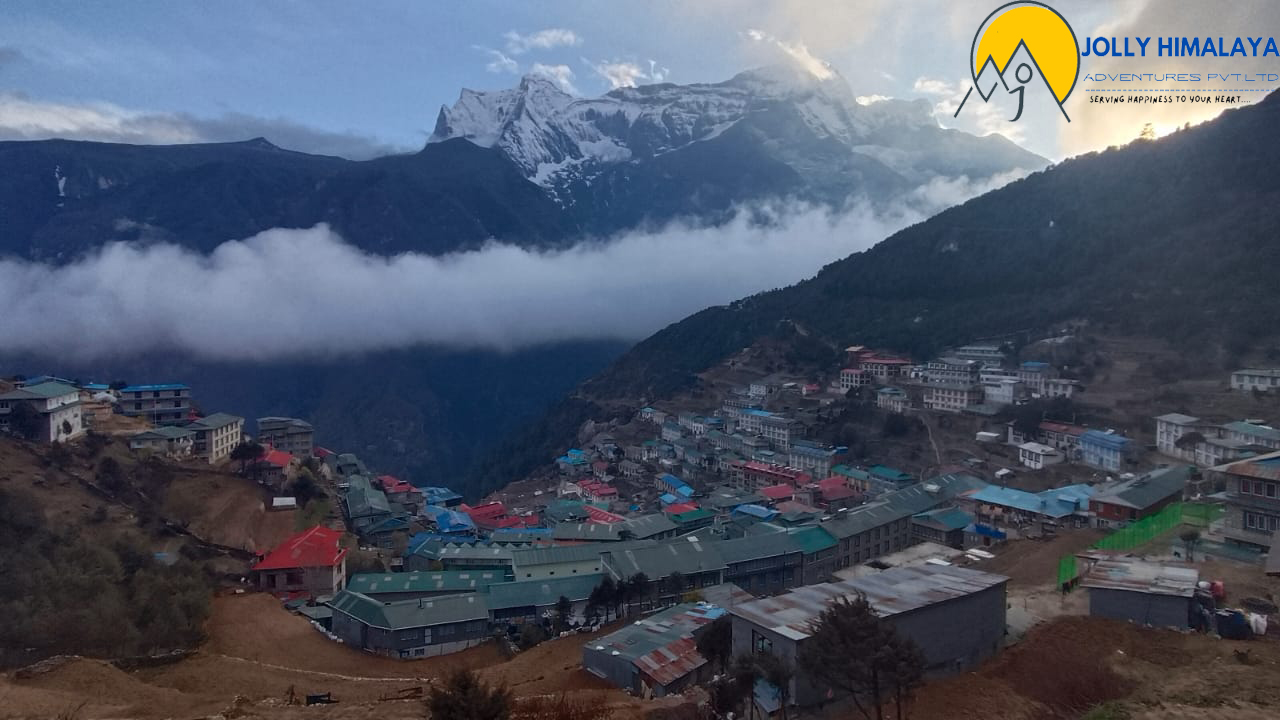
Kyangjuma (3,550 m) – Lunch with views
On the way to Tengboche, Kyangjuma makes a perfect lunch stop. Its teahouses overlook Ama Dablam, Everest, and the lush valley below.
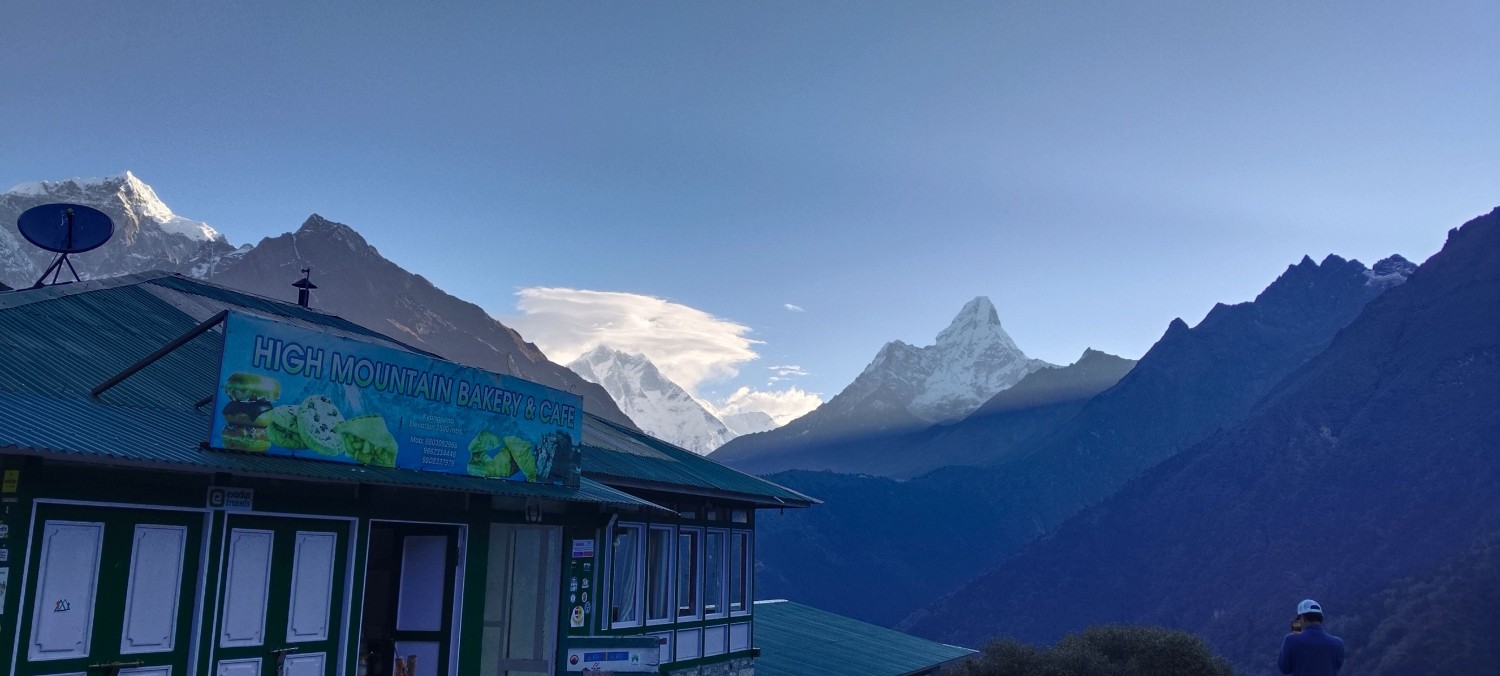 Fungithanga (3,250 m)
Fungithanga is a small, forested riverside stop nestled at the base of the climb to Tengboche. Surrounded by tall rhododendron and pine trees, it’s a peaceful spot where trekkers often pause for lunch before tackling the steep ascent. The sound of the Dudh Koshi River rushing by and the cool shade of the forest make it a refreshing break point on the trail.
Tengboche (3,860 m) – Monastery in the clouds
This village is home to Tengboche Monastery, the largest in Khumbu. The chants of monks and the panoramic view of Himalayan peaks make it unforgettable.
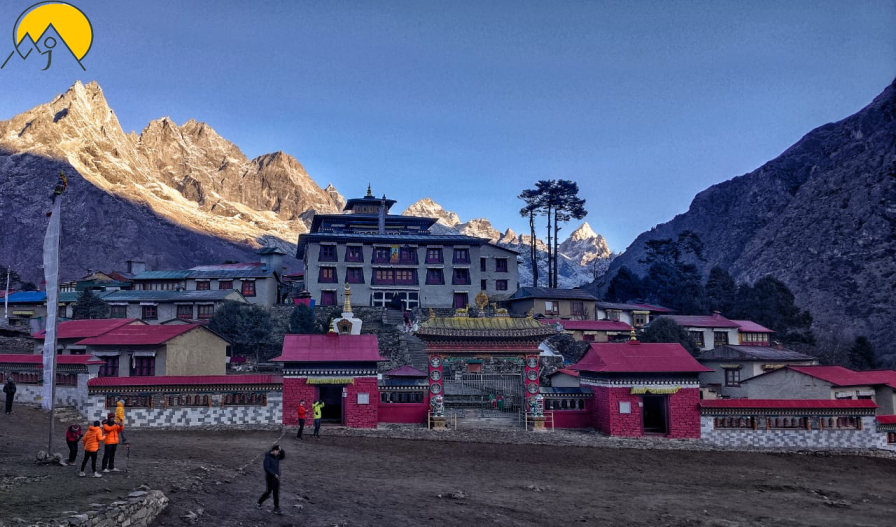 Debuche (3,820 m) – Alternative overnight stay
Just a short walk downhill from Tengboche, Debuche is a quiet village that offers a calmer atmosphere compared to the busy monastery area above. It has a handful of teahouses and is home to a Buddhist nunnery, adding a spiritual touch to the setting. Many trekkers choose Debuche for an overnight stay to enjoy its peaceful environment and slightly lower altitude before continuing toward Pangboche.
Pangboche (3,985 m) – Historic Sherpa settlement
The oldest permanent village in the region, Pangboche is home to a centuries-old monastery. Many trekkers stop here for lunch or to explore its cultural heritage.
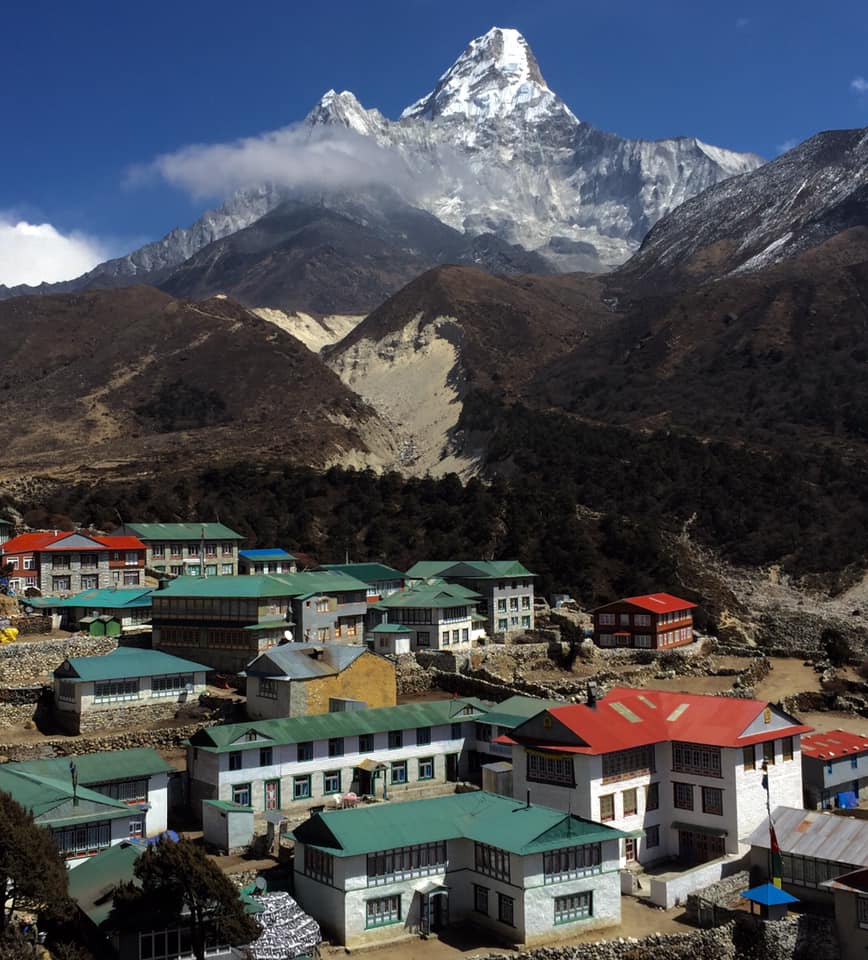
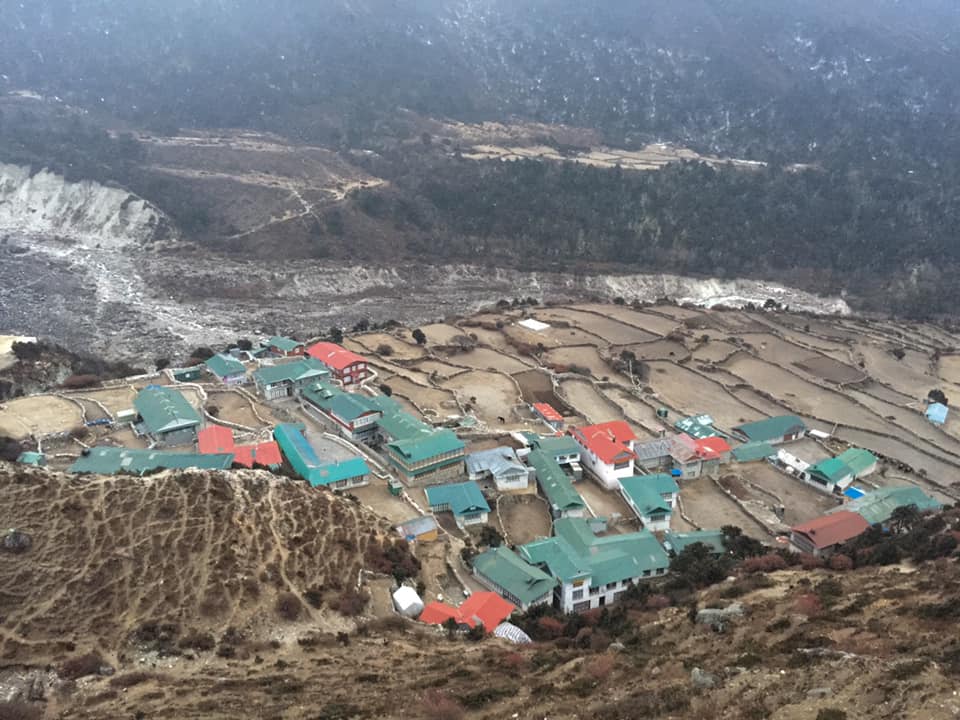
Somare (4,010 m) – Wind-swept pasture land
A small settlement often used for lunch before reaching Dingboche. It offers wide valley views and feels more remote than the lower villages.
Dingboche (4,410 m) – Stone-walled fields
Surrounded by farming terraces, Dingboche is a common acclimatization stop. Short hikes to Nangkartshang Peak or Chukhung Valley reward you with incredible mountain vistas.
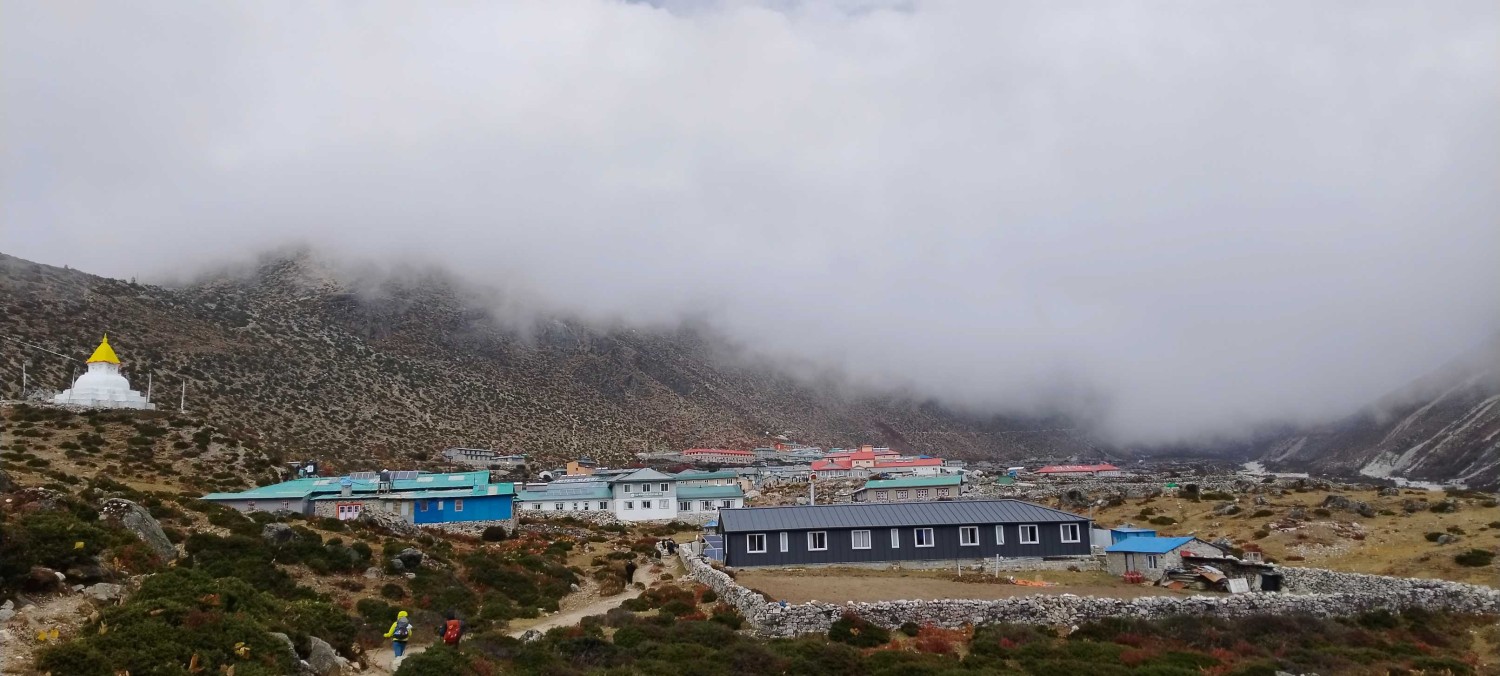
Thukla (4,620 m) – Lunch before the climb
Famous for its steep uphill section after lunch, Thukla is also home to a memorial area honoring climbers who lost their lives on Everest.
Lobuche (4,940 m)
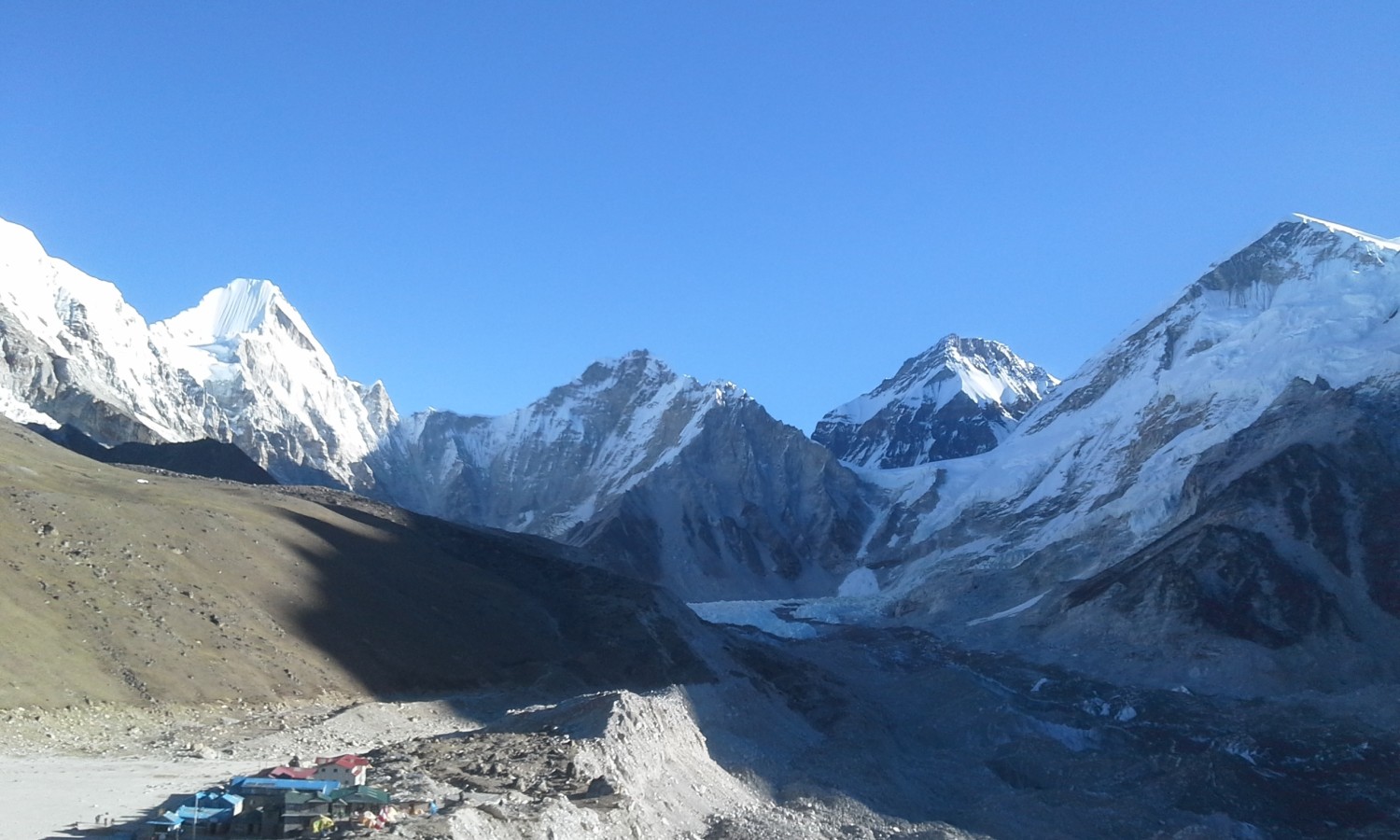
Perched near the Khumbu Glacier, Lobuche offers a dramatic high-altitude atmosphere. The views grow more glacial and rugged as you get closer to base camp.
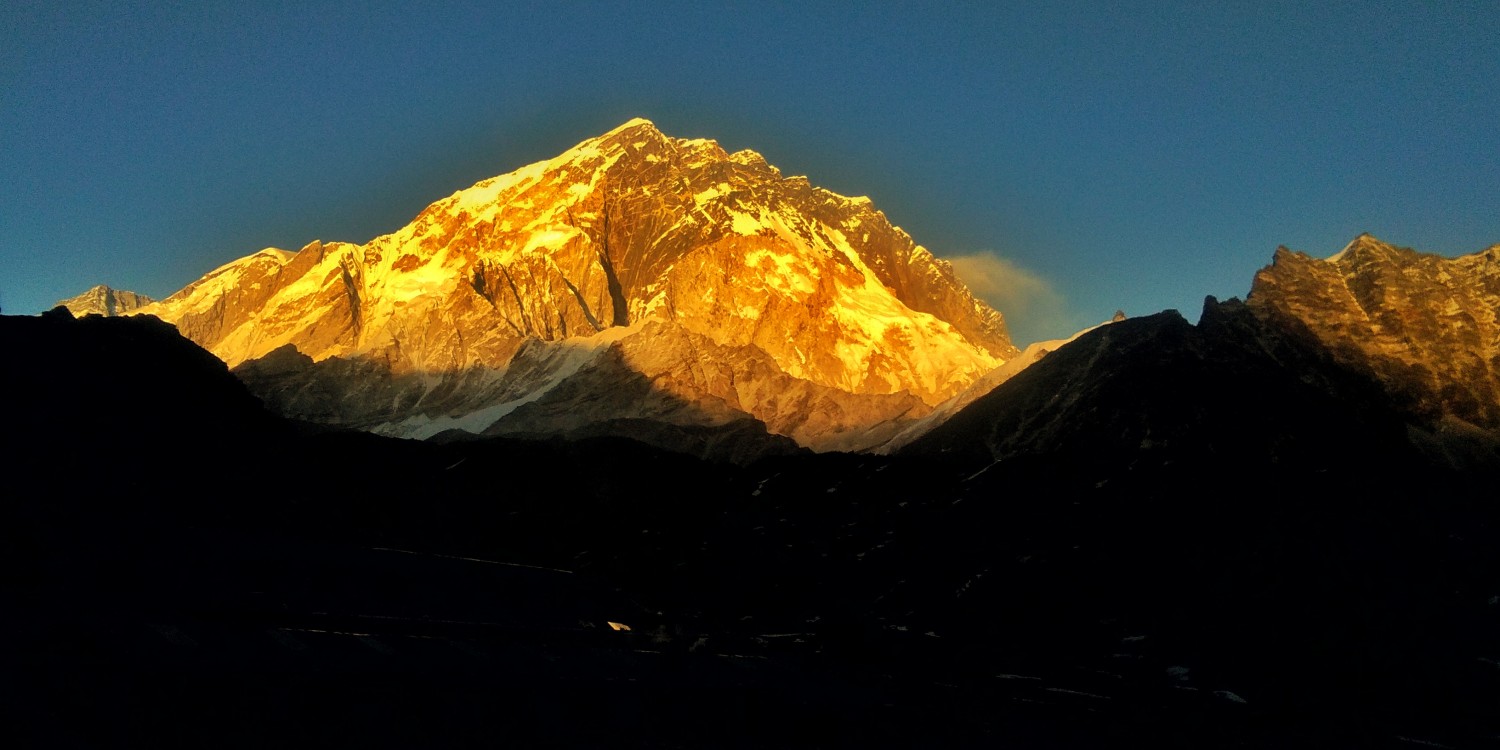
Gorak Shep (5,164 m) – Last settlement before base camp
This sandy, windswept outpost is where trekkers rest before making the final push to Everest Base Camp. Many also climb Kala Patthar from here for sunrise over Everest.
A Trek Through Living Culture
These villages are not just places to eat and sleep. They are living communities, where Buddhist prayer flags flutter in the wind and yak bells echo through the valleys. Each stop, whether for lunch or overnight, gives you a deeper connection to the land and people of the Himalayas.
Recent From Blog


.jpg)